Protected Areas in Iran: The Foundation of Conservation
Before we dive into the specifics, it's important to understand the system of protected areas in Iran. This system, managed by the Department of Environment, is the foundation for safeguarding the country’s ecological heritage. The highest level of protection is given to Iran national parks, which are designated for their exceptional and representative ecosystems, and are premier Iran natural attractions. These are the crown jewels of national parks in iran, offering the most stunning and diverse landscapes among all Iran Attractions. Below national parks are other categories of protected areas, each with its own level of conservation and purpose. These include Wildlife Refuges, where the focus is on protecting specific animal species; Protected Zones, which are large, designated areas for a variety of ecosystems; and National Natural Monuments, which are sites of unique and exceptional natural beauty, such as a special rock formation or a historic tree. This tiered system ensures that the diverse and fragile ecosystems of national parks in iran and beyond are preserved for generations to come, allowing us to appreciate the true breadth of Iran national parks.
Biodiversity in Desert National Parks
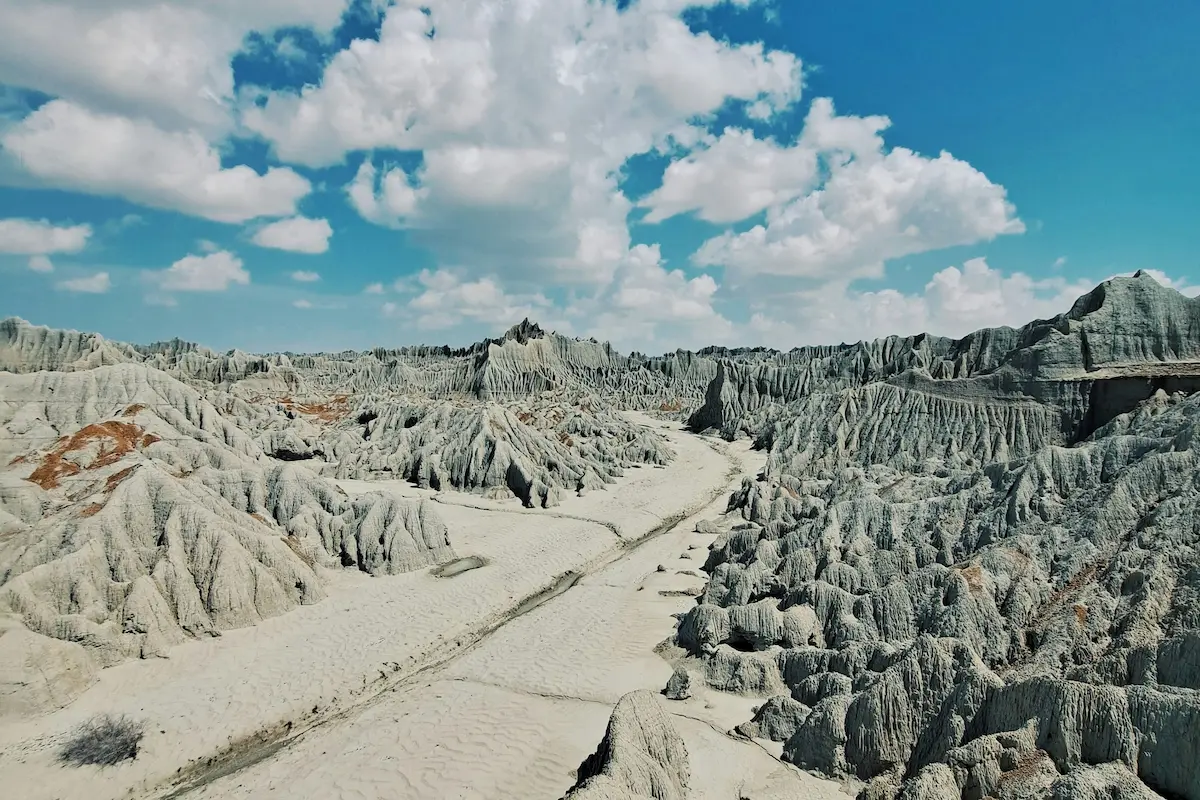
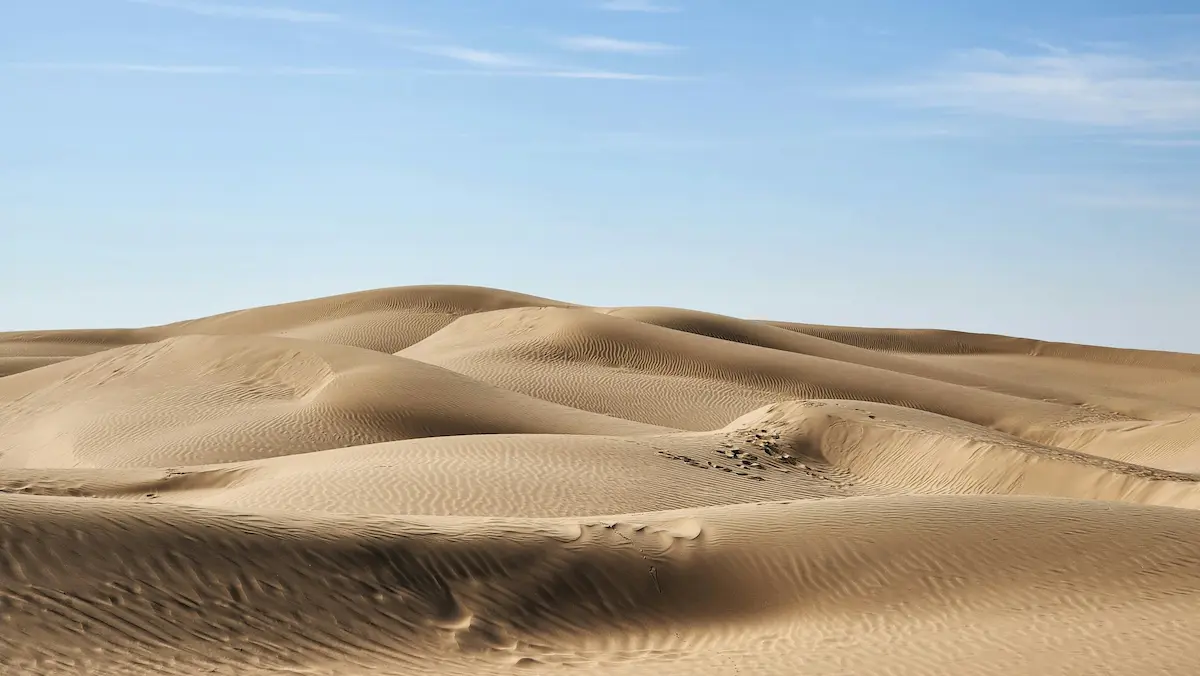
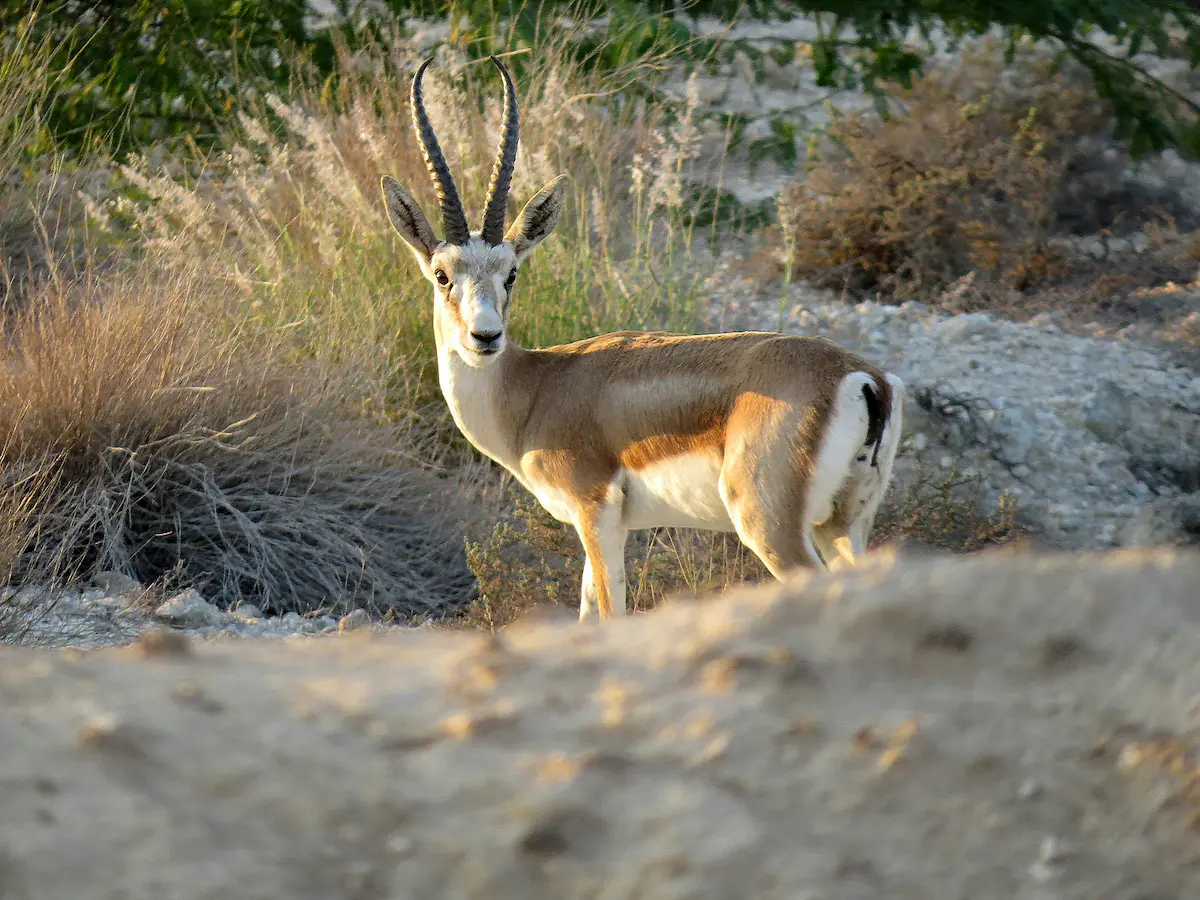
The vast arid landscapes of Iran, often perceived as barren, are in fact home to a surprisingly rich and resilient ecosystem. The desert iran national parks and protected areas are a testament to the ingenuity of life and its ability to adapt to extreme conditions. Kavir National Park, often called the "Little Africa" of Iran, is a prime example. This park is a unique blend of semi-arid plains, salt marshes, and mountains, providing a habitat for a variety of animals that have mastered desert life. Here, you can find gazelles, wild sheep, and the Persian leopard, an elusive and magnificent creature that roams the more remote parts of the park. Another vital desert sanctuary is Touran National Park, which holds the distinction of being one of the last remaining habitats for the critically endangered Asiatic cheetah. The efforts to protect this majestic feline are a symbol of Iran's commitment to conservation, and visiting this region with a licensed guide offers a rare chance to witness the immense scale of this conservation work firsthand. These desert national parks in iran are not just landscapes of sand and salt; they are vibrant, living ecosystems with a biodiversity that is both fragile and profoundly powerful. A journey here is a lesson in the incredible resilience of iran's nature.
Biodiversity in Forest National Parks
In a beautiful contrast to the arid south, Iran's northern regions are home to some of the world's most ancient and lush forests. These forest iran national parks are a haven of greenery and biodiversity. The most famous is Golestan National Park, the country’s oldest and one of its most diverse protected areas. It is a spectacular mosaic of habitats, including forests, shrublands, and grasslands, making it a hotspot for wildlife. The park is home to the Caspian Red Deer, wild boars, and various species of eagles and other birds of prey. The chance to see these animals in their natural habitat is one of the biggest draws of this famous iran national park. Beyond Golestan, the larger Hyrcanian Forests, a UNESCO World Heritage site, represent a significant part of the protected lands of northern Iran. These primeval forests, which have survived the last Ice Age, are an invaluable repository of unique flora and fauna. They offer a completely different kind of experience than the desert parks, with a misty, humid climate and a rich, verdant canopy. Exploring these ancient woods is an immersive journey into a world of towering trees and a biodiversity that has been protected for millennia. These forest national parks in iran are a perfect destination for those who want to see a different, greener side of the country's wilderness.
Biodiversity in Marine & Coastal National Parks
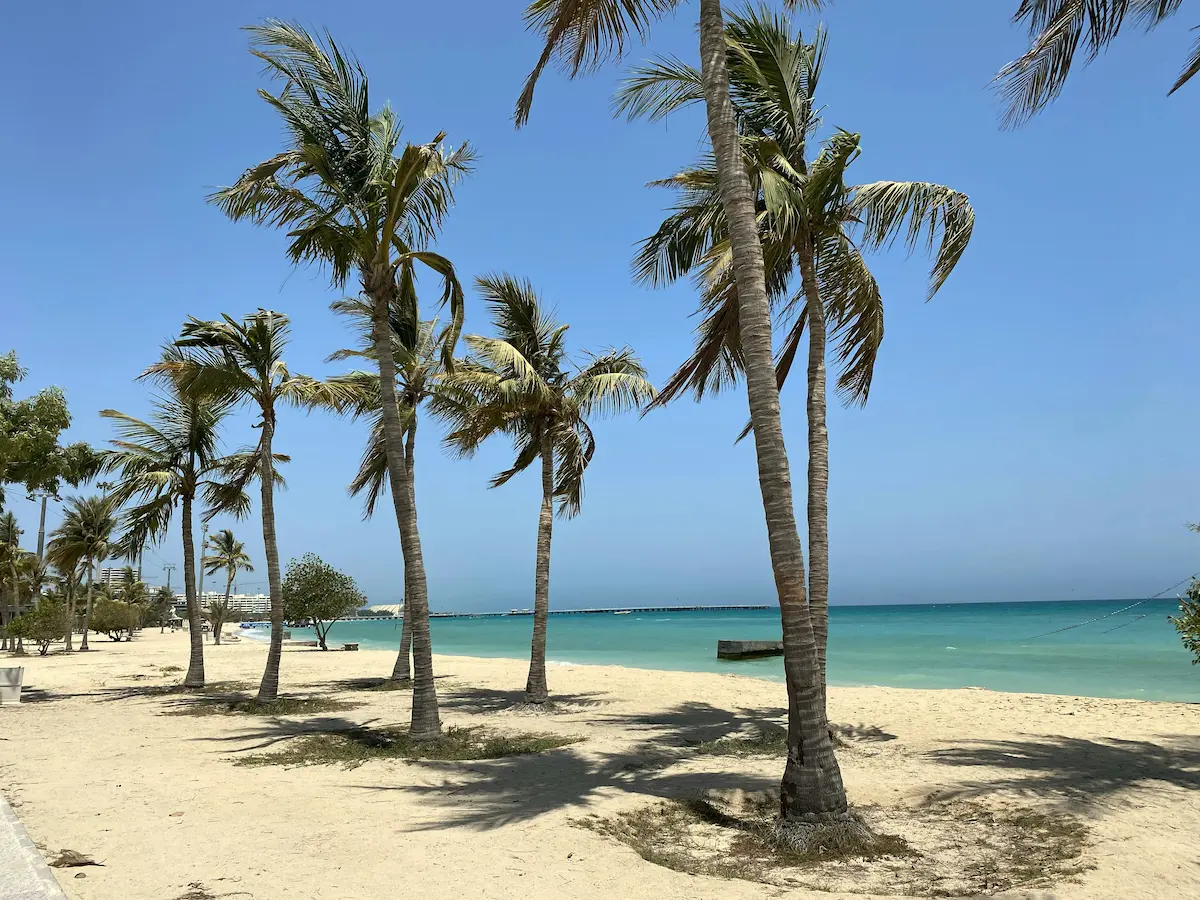
Iran's national parks are not limited to land; its coastal regions and islands are also home to a unique and vital marine and coastal biodiversity. This category of iran national parks and protected areas safeguards delicate ecosystems like mangrove forests, coral reefs, and important habitats for migratory birds and marine life. The Hara National Park on Qeshm Island is a stunning example. It is a vast expanse of mangrove forests that thrive in saltwater, a unique and fragile ecosystem that provides a nursery for a variety of fish and crustaceans and is a winter home for numerous species of migratory birds. These marine protected areas are essential for the health of the Persian Gulf and the Caspian Sea. They are home to a variety of dolphins and sea turtles, and their protection is crucial for maintaining a healthy marine environment. The coastal national parks in iran also offer a different kind of adventure, with opportunities for kayaking through mangrove forests, bird watching, and exploring the unique coastal geology of the southern islands. These sanctuaries highlight the incredible diversity of iran national parks and show that the country's commitment to conservation extends to its beautiful coastlines and rich marine life.
The Importance of Environmental Protection in Iran
The need for environmental protection in Iran has never been more critical. The country's unique and fragile ecosystems, from its deserts to its forests, are facing a number of significant threats. Issues such as water scarcity, desertification, habitat loss, and illegal poaching all pose a serious risk to the country's biodiversity. The establishment and careful management of iran national parks are a direct response to these challenges. These protected areas serve as sanctuaries for a variety of species that are on the brink of extinction and are crucial for the long-term health of the country's environment. The conservation efforts, led by the Department of Environment and a growing number of dedicated local NGOs, are vital. They work to combat illegal activities, educate the public on environmental issues, and promote sustainable practices within and around the protected areas. The survival of animals like the Asiatic cheetah, the Persian leopard, and the Caspian Red Deer depends entirely on these protected zones. The existence of iran national parks is a testament to the country's recognition of the importance of its natural heritage and its ongoing commitment to safeguarding it for future generations.
The Importance of Responsible & Eco-tourism
Eco-tourism is a powerful tool for conservation, and it is a crucial component of the strategy for preserving the national parks in iran. Responsible tourism means traveling with a conscious effort to minimize one's environmental impact and support local communities. By choosing eco-friendly options and adhering to the guidelines of the protected areas, visitors can contribute directly to the conservation efforts. This includes staying on designated trails, not leaving any trash behind, and respecting the wildlife from a safe distance. Furthermore, eco-tourism provides a vital economic incentive for the local communities that live near these parks. By creating jobs and supporting local businesses, it gives people a direct reason to protect their natural environment. A visit to iran national parks through a reputable tour operator ensures that your travel contributes positively to the local economy and the preservation of these lands. This responsible approach to travel is what will ensure that the beauty of iran national parks can be enjoyed for years to come.
A Travel Guide: Exploring with a Professional
While the allure of exploring Iran's wilderness on your own is understandable, a journey into most iran national parks requires careful planning and, more importantly, a professional, licensed guide. For many of the most remote and protected areas, entry is restricted and requires a special permit from the Department of Environment. A professional guide is not only essential for navigating these permits and the often-challenging terrain, but also for ensuring your safety. A knowledgeable guide can also transform your experience from a simple hike into a profound educational journey. They can help you identify local flora and fauna, share insights into the ecology of the region, and provide a cultural context to the landscape. For a truly authentic and hassle-free experience, we highly recommend exploring the curated tours offered by DeyTrips tour operator. Their local guides are experts on Iran's natural heritage and are dedicated to ensuring that your visit to these incredible national parks in iran is both safe and unforgettable.
Frequently Asked Questions
Conclusion
In conclusion, the iran national parks are a world of wonder waiting to be discovered. They are living, breathing testaments to the country's rich natural heritage, offering a surprising contrast to its historical and urban landscapes. From the arid plains of Kavir to the misty forests of Golestan, each park is a unique sanctuary for a variety of flora and fauna. By embracing responsible eco-tourism and exploring these areas with a sense of wonder and respect, you can help ensure that the wild heart of Iran continues to beat for generations to come. The national parks in iran are, without a doubt, among the most captivating iran attractions.