The Definitive Journey Through Ancient Persia
To truly grasp the significance of Iran's historical attractions, one must view them through the lens of time. Explore all Iran Attractions with us.
Prehistory

The Dawn of Civilization
This era covers the vast expanse of time from early human settlements, like those found in the Zagros Mountains, to the rise of the first organized states. It witnessed the transition from nomadic lifestyles to settled agriculture, the development of early pottery, and the establishment of the first urban centers, laying the foundational bricks of civilization in the Iranian plateau. The archaeological sites from this period, such as Tepe Sialk, offer invaluable insights into the daily lives, rituals, and technological advancements of the earliest inhabitants of this ancient land, setting the stage for the great empires to come.
Elamite Kingdom
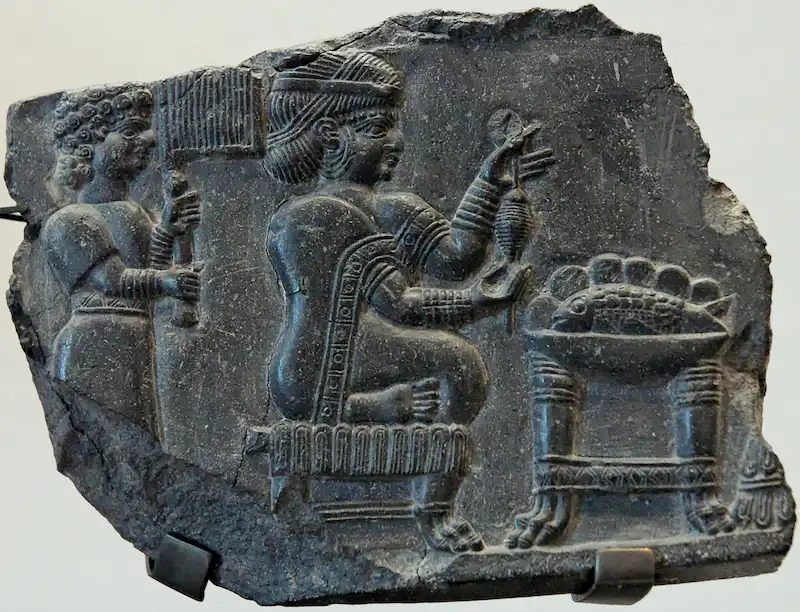
The Ancient Kingdom of Elam
Centered in modern-day Khuzestan, the Elamites developed a sophisticated urban culture and one of the world's first writing systems. Their monumental ziggurat at Chogha Zanbil stands as a powerful testament to their advanced engineering and deep-rooted religious convictions, pre-dating the Persian empires. The Elamites were a major political and cultural force, engaging in trade and warfare with Mesopotamian kingdoms. Their art, characterized by intricate metalwork and distinctive pottery, reflects a highly developed society that laid much of the groundwork for later Persian civilizations.
Median Empire
The First Iranian Empire
Emerging from the Zagros Mountains, the Medes were the first to unify various Iranic tribes, establishing the first true Iranian empire. By capturing Nineveh, they brought down the mighty Assyrian Empire and laid the essential political and military groundwork for their successors, the Achaemenids. Their capital, Ecbatana (modern-day Hamadan), became a major political center. The Medes' ability to forge a cohesive state from disparate groups demonstrated a new level of political organization and military strategy in the region, paving the way for a pan-Iranian identity.
Achaemenid Empire
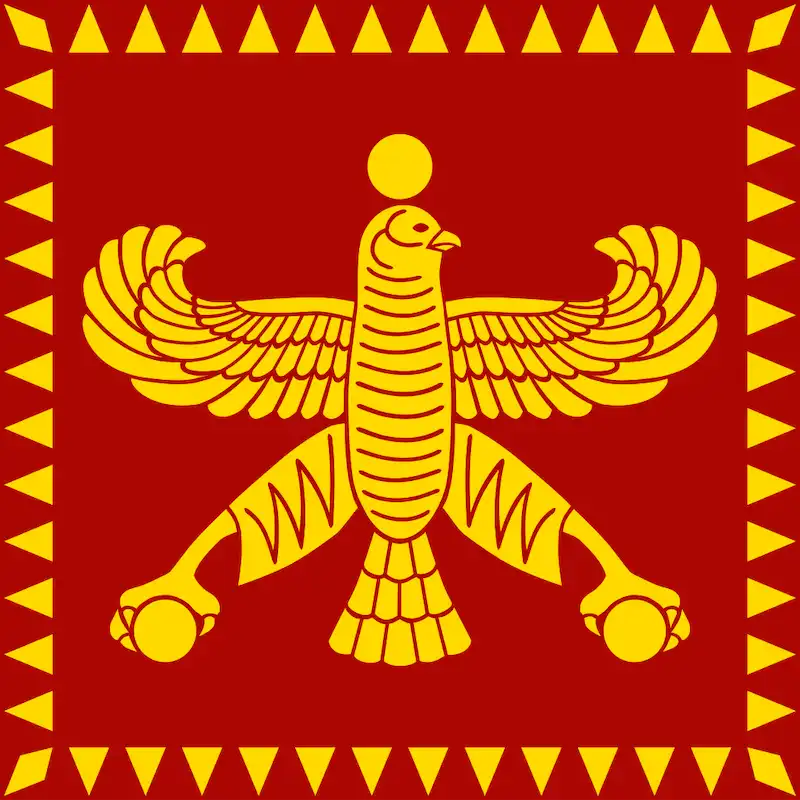
The Empire of Cyrus the Great
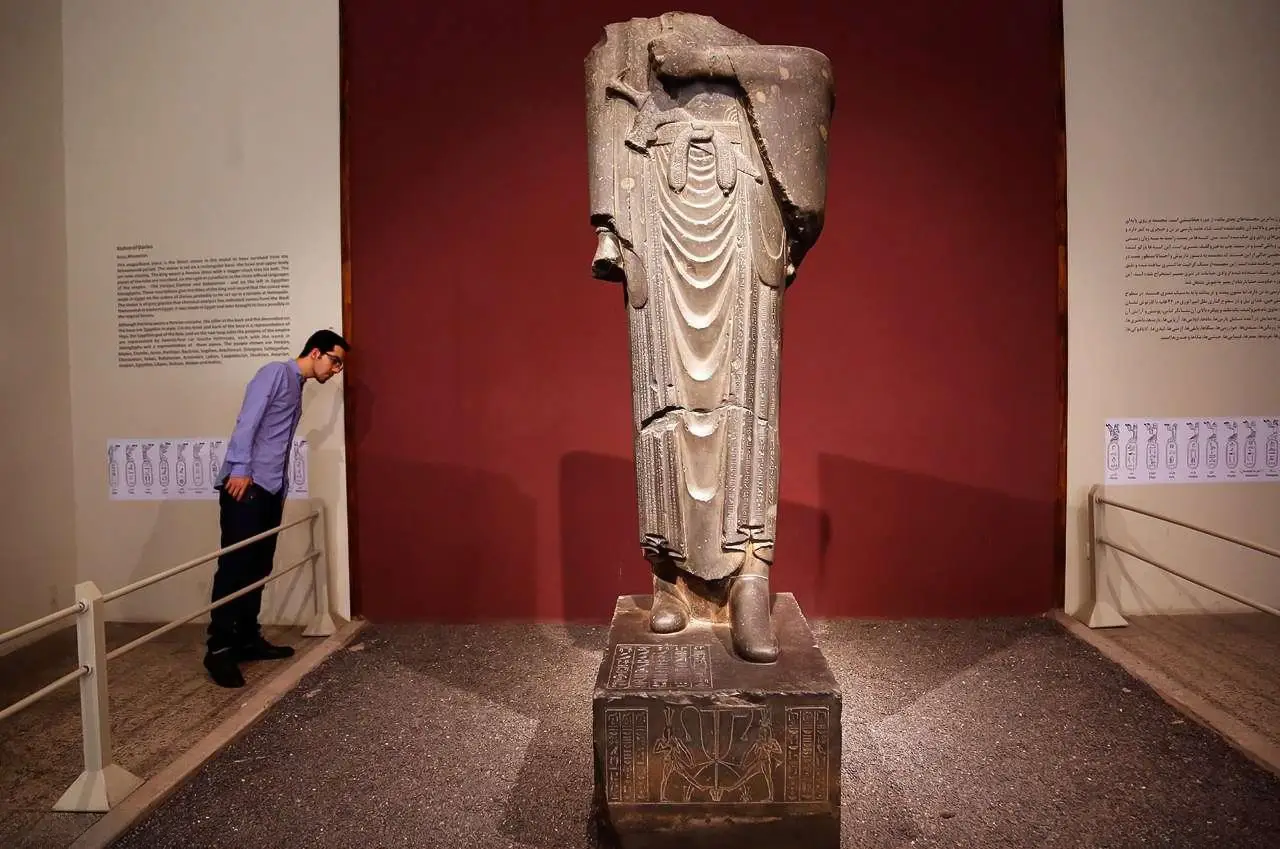
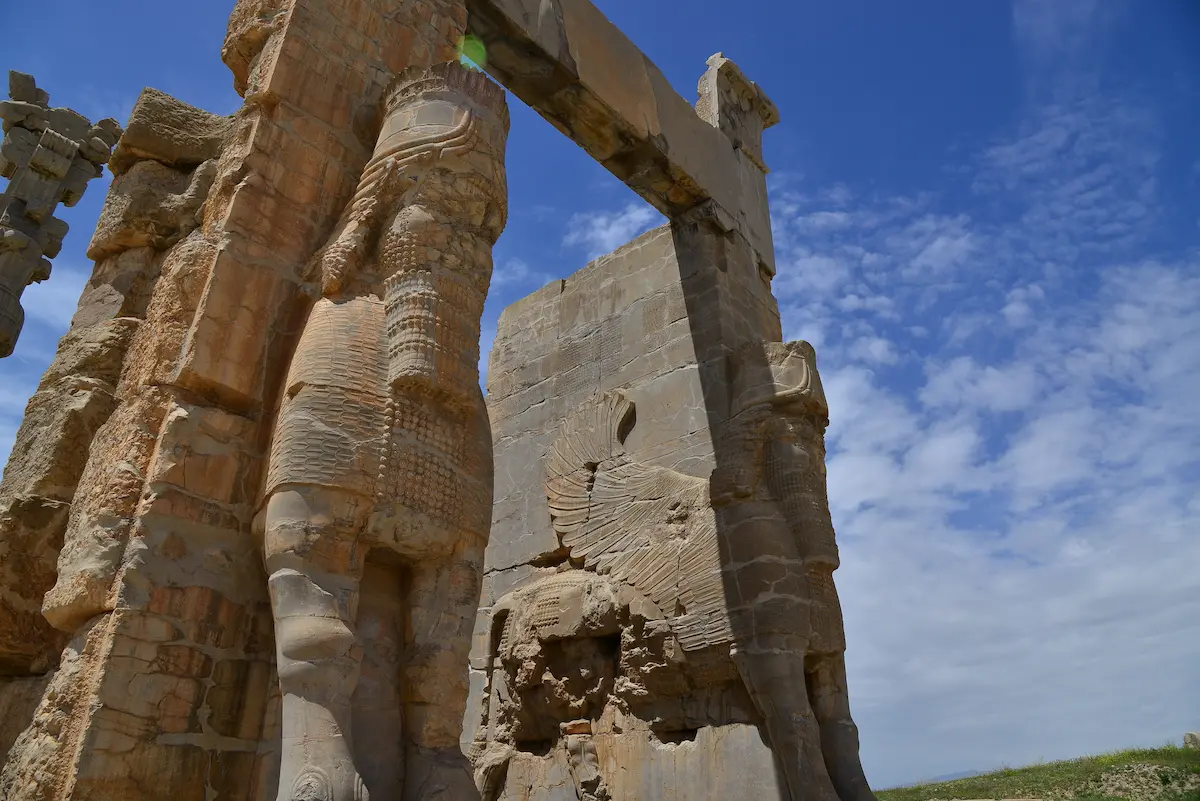
Founded by Cyrus the Great, the Achaemenid Empire became the largest empire of the ancient world. Known for its principles of human rights, religious tolerance, and advanced infrastructure like the Royal Road, its legacy is immortalized in the magnificent ruins of Persepolis, the ceremonial capital that showcased the empire's power and diversity. This was an empire built on a sophisticated administrative system, a multicultural army, and a vision of a unified world state under a single benevolent ruler, influencing political thought for millennia.
Parthian Empire

The Rise of the Arsacid Dynasty
Overthrowing the Seleucid successors of Alexander the Great, the Parthians established a formidable empire that became Rome's enduring eastern rival. Their mastery of cavalry warfare, particularly the famed "Parthian shot," and their strategic control over the Silk Road defined their long-lasting reign. They successfully blended Hellenistic and Persian cultures, creating a unique synthesis in their art and architecture, and their decentralized feudal system allowed for considerable local autonomy, which contributed to their long-term stability.
Sassanian Empire

The Last Great Persian Empire of Antiquity
The Sassanians revived Persian culture and Zoroastrianism as the state religion, challenging the Roman-Byzantine empires for centuries. Their era was marked by extraordinary achievements in art, architecture, and metalwork, leaving behind impressive rock reliefs, majestic palaces in Ctesiphon, and fortified cities that narrate their imperial glory. They also made significant contributions in science, music, and literature, creating a cultural peak that heavily influenced the subsequent Islamic world.
Local Dynasties

The Rise of Local Powers
Following the Arab conquest and the fall of the Sassanians, a number of local Persian dynasties emerged, such as the Samanids and Buyids. This period, known as the Iranian Intermezzo, sparked a cultural renaissance that preserved and revitalized the Persian language and identity. It was the era of great epic poets like Ferdowsi, who penned the Shahnameh, and saw a flourishing of science, philosophy, and literature that laid the foundations for the Persianate cultural sphere.
Seljuk Empire
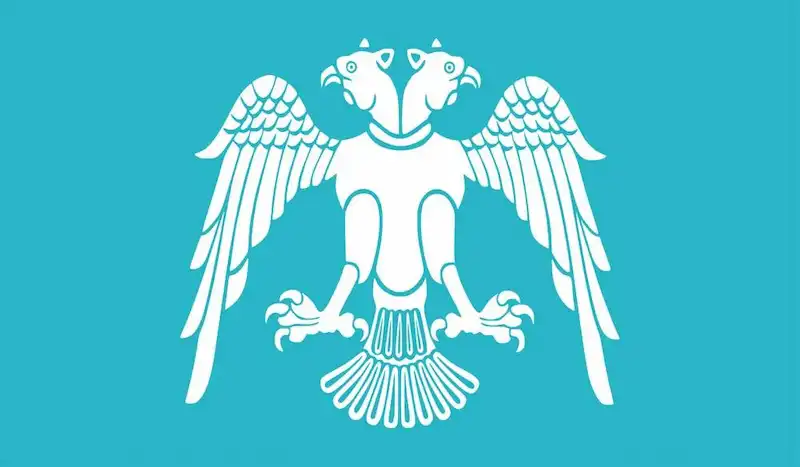
The Great Seljuk State
A Turkic dynasty that established a vast Sunni Muslim empire, the Seljuks became great patrons of art and architecture. They left a significant legacy in the form of mosques, caravanserais, and madrasas, characterized by their innovative use of brickwork, geometric patterns, and the four-iwan mosque plan, which became a standard for Islamic architecture across the region. Their influence is particularly visible in the magnificent Jameh Mosque of Isfahan.
Mongols, Ilkhanids, & Timurids

Invasions and Cultural Fusion
A tumultuous period of Mongol invasions was followed by the Ilkhanate and Timurid dynasties, which ultimately embraced and sponsored Persian culture. This era, despite its violent beginnings, resulted in some of the most breathtaking masterpieces of Islamic architecture and miniature painting, such as the Dome of Soltaniyeh. The fusion of Mongol, Chinese, and Persian artistic traditions created a new, vibrant visual language that had a lasting impact on the region.
Safavid Dynasty
The Golden Age of Isfahan
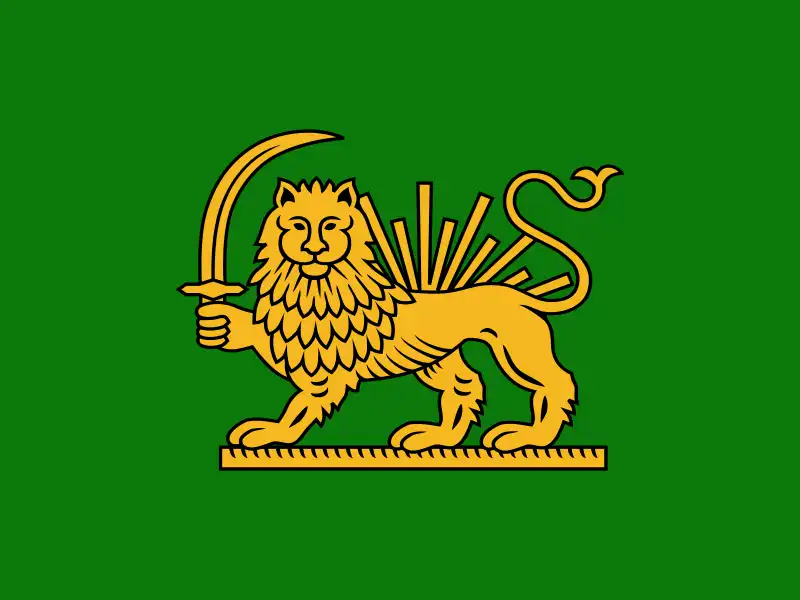
Under the visionary Shah Abbas I, the Safavid dynasty ushered in a golden age, establishing Shi'a Islam as the state religion and unifying Iran. They transformed their capital, Isfahan, into one of the world's most beautiful cities, leaving behind magnificent mosques, palaces, and bazaars centered around Naqsh-e Jahan Square. This era represents a pinnacle of Persian-Islamic art and architecture, known for its exquisite tilework and grand urban planning.
Afsharids and Zands

A Transitional Era
Following the Safavid decline, the brilliant military commander Nader Shah Afshar created a vast but short-lived empire. He was succeeded by the more peaceful and culturally significant Zand dynasty, under which Karim Khan Zand made Shiraz his capital. Karim Khan's reign was a period of relative peace and prosperity, during which he beautified the city with elegant and functional architecture like the Vakil Bazaar, Mosque, and Bath complex, embodying a philosophy of public welfare.
Qajar Dynasty
The Bridge to Modernity
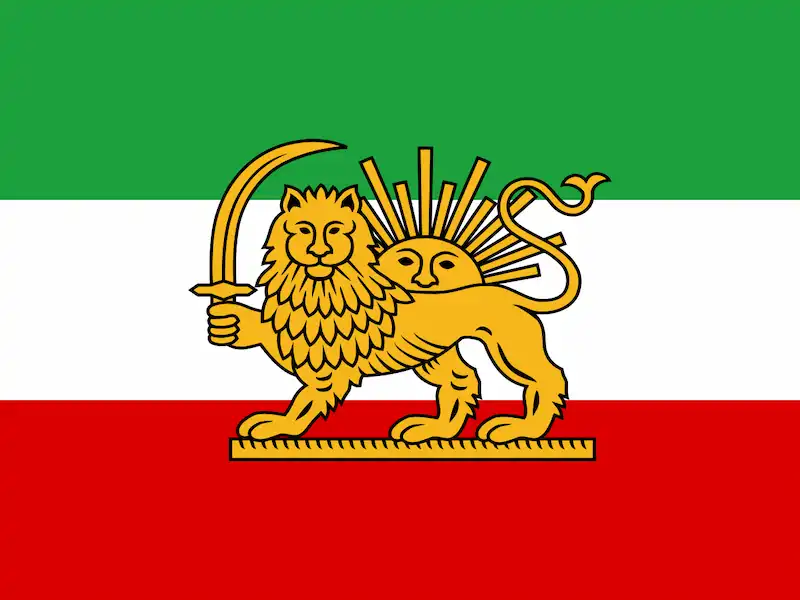
The Qajar era was a time of significant transition, marked by growing contact and conflict with the West, territorial losses, and the beginnings of modernization. They moved the capital to Tehran and left behind opulent palaces, such as the Golestan Palace, which showcase a unique and sometimes extravagant blend of traditional Persian and European artistic styles. This period also saw the rise of new social and political ideas that would shape modern Iran.
Pahlavi Dynasty
The Era of Modernization
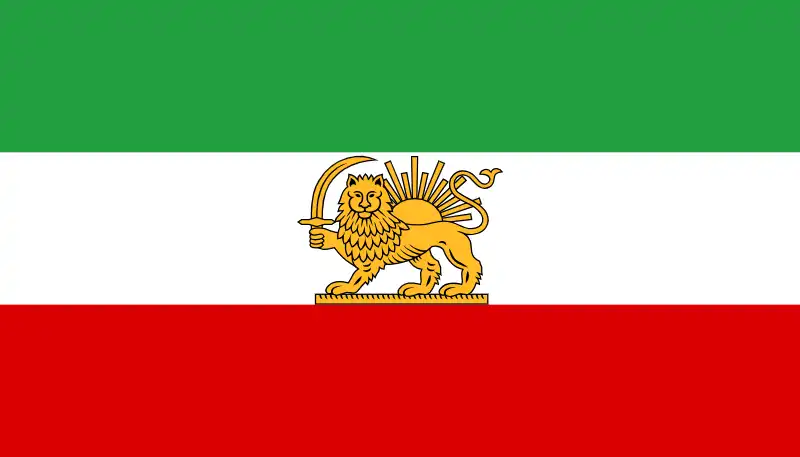
The Pahlavi dynasty embarked on a rapid and ambitious campaign of industrialization, secularization, and modernization, aiming to transform Iran into a major global power. This period left a legacy of major national infrastructure projects, monumental state architecture, and significant social change, including the expansion of education and women's rights. The era's complex legacy concluded with the 1979 Islamic Revolution, which established the current Islamic Republic.