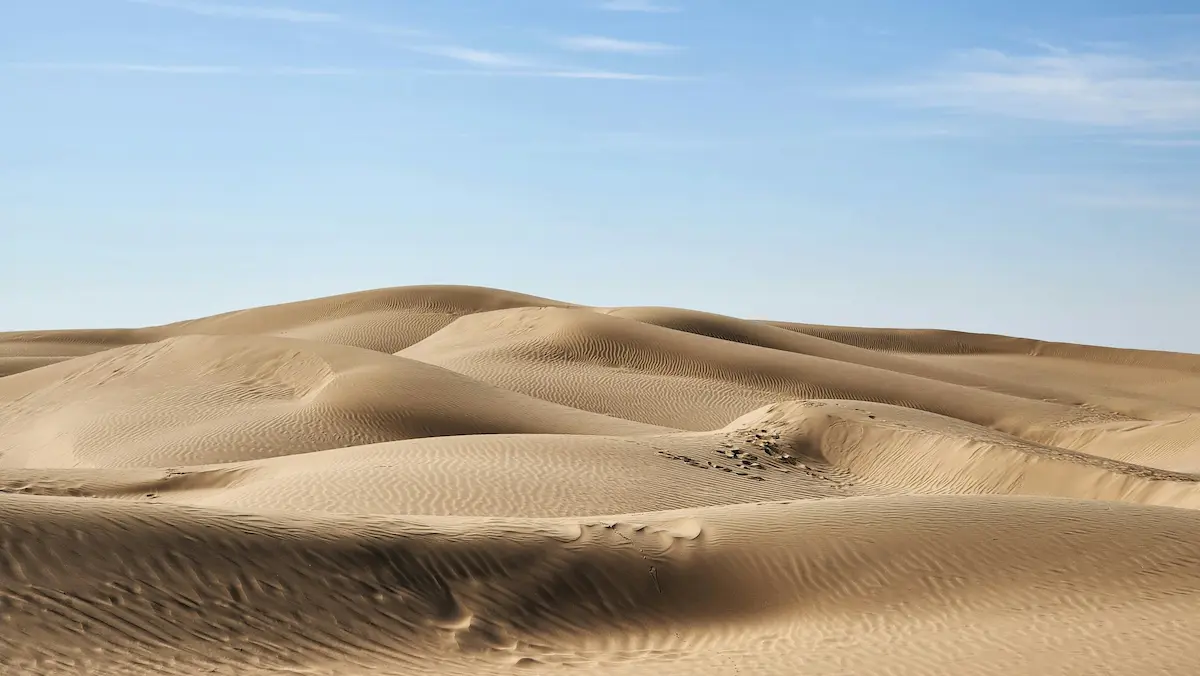
The Timeless Sands: An Unforgettable Journey Through Iran's Deserts
For many, the image of Iran is one of snow-capped mountains and magnificent historical cities. Yet, a vast and profound world of golden sands, otherworldly rock formations, and a silence that fills the soul awaits. This article is your definitive guide to iran deserts, an invitation to explore a landscape that is both harsh and profoundly beautiful. Here, you will find a serene silence that contrasts with the bustling energy of the cities, a celestial canvas that emerges with the night, and a raw, untamed beauty that stands as a testament to the power of nature. The scale of the great deserts of iran is hard to comprehend until you are standing within them. The two largest, the Dasht-e Kavir and the Dasht-e Lut, are not barren wastelands but living ecosystems with their own unique flora and fauna. These are places of ancient secrets and powerful spiritual experiences, where history and nature converge in a spectacular display of geological artistry. Whether you are an adventure seeker, a photographer, or simply a curious traveler looking for a new perspective on the country, this comprehensive guide will help you navigate the breathtaking landscapes and unique experiences that Iran Attractions have to offer.
One of the Hottest Places on Earth in Iran
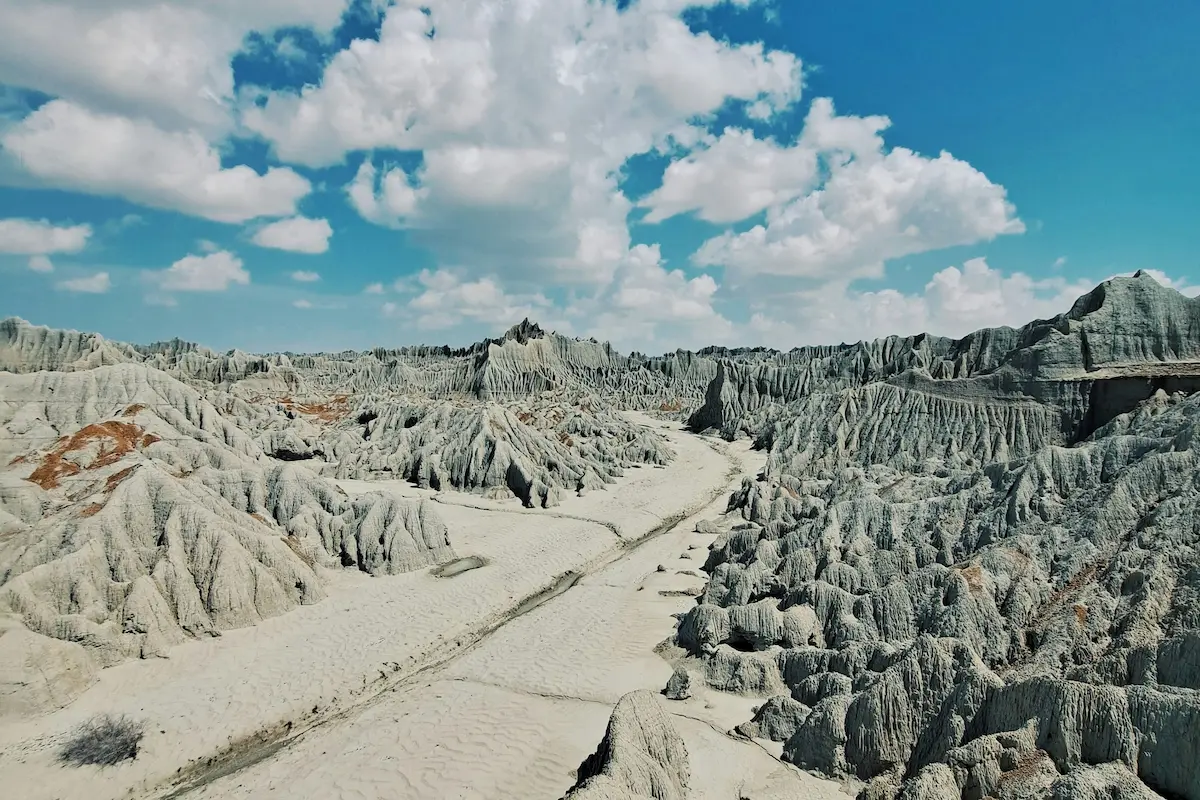
Among all the great deserts of iran, the Dasht-e Lut stands apart. This vast, salt-laden desert in southeastern Iran is officially recognized as one of the hottest places on Earth, with surface temperatures reaching a record-breaking 70.7°C. While this might sound unwelcoming, it is in fact a place of a surreal and haunting beauty that draws adventurers and scientists alike. The extreme conditions have shaped a landscape that looks unlike anywhere else on the planet, making it one of the most unique of all iran deserts. The most famous feature of the Lut Desert is the Kaluts, a collection of towering yardangs, or sand and earth formations, sculpted by thousands of years of wind erosion. These magnificent spires, pillars, and canyons create a stunning, otherworldly landscape that is particularly breathtaking at sunrise and sunset when the low light paints them in a palette of fiery colors. A journey through this surreal, silent city of stone is an unforgettable experience, offering a glimpse into a world shaped by the most powerful forces of nature. The sheer scale of the Kaluts and the profound silence that permeates the area are a source of both wonder and humility. The Dasht-e Lut proves that even in the most extreme conditions, a powerful and awe-inspiring beauty can be found. It is a defining feature of the deserts of iran.
The Living Wildlife of Iran's Deserts
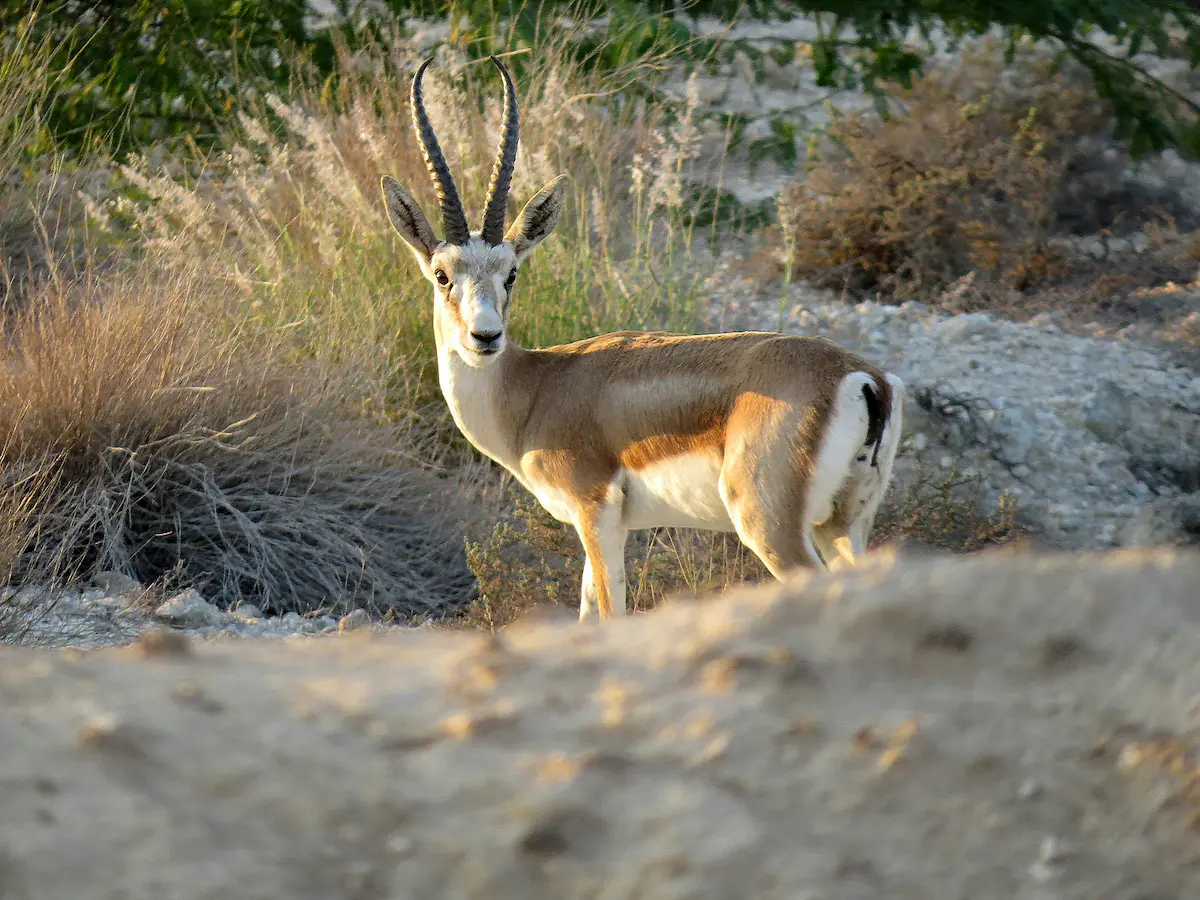
Contrary to popular belief, the vast deserts of iran are not devoid of life. They are home to a surprisingly rich and diverse ecosystem, with a variety of animals that have ingeniously adapted to survive in the harsh environment. The wildlife of these regions is a testament to the resilience of nature and a source of fascination for any traveler. While they can be elusive, spotting these magnificent creatures is a rare privilege. The Dasht-e Kavir and the Lut Desert are among the last remaining habitats for some of Iran’s most iconic and endangered species. One of the most remarkable animals is the Persian leopard, a majestic predator that roams the mountainous edges of the desert. The Asiatic cheetah, a critically endangered big cat, also finds its last sanctuary in the protected reserves of the deserts of iran. These magnificent creatures are a symbol of the country's biodiversity and a focus of dedicated conservation efforts. A journey here is a lesson in the incredible resilience of iran's nature.
Suggested Activities in Iran's Deserts
A journey into iran deserts is an adventure unlike any other, with a wide array of activities to suit every type of traveler. The raw beauty and serene environment lend themselves to both thrilling excursions and peaceful, contemplative experiences. Here are some of the most popular activities to enjoy in the great deserts of iran.
- Stargazing: Due to the complete absence of light pollution, the desert sky at night is a breathtaking canvas of a million stars. Lying on the dunes and witnessing the Milky Way arching across the sky is a truly life-changing experience. Many camps and tours specialize in stargazing, providing telescopes and expert guides to help you identify constellations.
- Desert Safari & 4x4 Tours: For the adventure seeker, a thrilling safari in a 4x4 vehicle is a must. These tours take you over towering sand dunes, through challenging terrains, and into the remote parts of the desert, providing an adrenaline-pumping way to explore the vastness of the iran deserts.
- Sandboarding: The high, steep sand dunes of places like the Varzaneh and Mesr deserts are perfect for sandboarding. It's a fun and exciting activity that combines the thrill of snowboarding with the unique challenge of navigating sandy slopes.
- Visiting a Desert Oasis: The Mesr Oasis is a famous and beautiful desert village surrounded by palm trees and towering dunes. Visiting an oasis like this provides a peaceful contrast to the harshness of the desert, with a chance to rest, enjoy a traditional meal, and experience the quiet life of a desert community.
- Camel Riding: For a more traditional and leisurely way to explore, a camel ride at sunset is a magical experience. It's a nod to the ancient caravan routes and a peaceful way to connect with the landscape.
Tips for Traveling to Iran's Deserts
A trip to the deserts of iran can be a rewarding experience, but it requires careful planning and preparation to ensure your safety and comfort. These are some essential tips from locals and experts who know the iran deserts best.
- Hire a Local Guide: This is the most important tip. The desert can be a dangerous place for an inexperienced traveler. A knowledgeable local guide can not only ensure your safety but also provide invaluable insights into the history, geology, and culture of the region. Many tour companies, including DeyTrips tour operator, specialize in safe and expertly guided desert tours.
- Choose the Right Time of Year: The best time to visit iran deserts is during autumn (September-November) and winter (December-February), when the weather is mild and pleasant. Avoid the summer months, as the heat can be extreme and dangerous. Early spring (March-April) is also a great time to visit.
- Stay Hydrated and Pack Wisely: This is a crucial rule for traveling to the deserts of iran. Drink plenty of water and carry extra. Pack lightweight, breathable clothing, a wide-brimmed hat, and strong sunscreen to protect yourself from the sun. Layers are also a good idea, as desert nights can be surprisingly cold.
- Respect the Environment: The ecosystems of the deserts of iran are fragile. Practice a "leave no trace" philosophy. Pack out all your trash, respect wildlife from a distance, and do not disturb the natural formations. This helps preserve these magnificent landscapes for future generations.
- Embrace the Culture: The desert regions are home to nomadic and tribal communities with their own unique traditions. Be respectful of their way of life, and if you are invited into a home for tea, consider it a great honor and a wonderful way to experience true Iranian hospitality.
The Cultural Significance of Deserts in Iran
For Iranians, the desert is more than just a place of geography; it is a profound part of their cultural and spiritual identity. The vast emptiness and silent solitude of the desert have long inspired Persian poets, philosophers, and mystics. The desert is a place of introspection and spiritual contemplation, a perfect setting for a person to find themselves and connect with a higher power. It is a powerful symbol of both hardship and immense beauty, and this dual nature is reflected in countless works of art and literature. The deserts of iran are also a place of resilience. The ingenuity required to survive in such a harsh environment has shaped the character of the people who live there, making them resourceful, humble, and deeply connected to their land. The vastness of the deserts of iran is also a symbol of freedom and possibility. For centuries, they were the routes for caravans and the stage for great historical journeys. This deep cultural connection is what makes exploring the iran deserts so much more than just a physical adventure. It is an exploration of the soul of a nation.